Relationship Therapy in NYC
Compassionate relationship therapy for adults throughout New York City. Whether you're navigating dating, friendships, family relationships, or learning to trust people again, we're here to help you build healthier, more fulfilling connections.
Relationships Affect Everything
Living in New York City can make relationships feel even more complicated. Between demanding careers, long work hours, dating apps, and the pressure to always be doing more, it's easy for connection to become another source of stress instead of support.
Many of our clients are high-achieving adults who look like they're doing well on the outside but feel exhausted by relationship anxiety, people-pleasing, conflict, loneliness, or repeating the same patterns over and over again.
At LEL Therapy, we provide relationship therapy for adults throughout Manhattan, Brooklyn, Queens, the Bronx, Staten Island, and virtually across New York State.

Maybe this feels familiar…
You're Always Thinking About What You Said
You replay conversations, worry you came across the wrong way, or spend hours wondering if someone is upset with you.
Relationships Feel Uneven
You find yourself overgiving, people-pleasing, or carrying more emotional responsibility than everyone else.
You Keep Ending Up In The Same Place
Different people. Different relationships. But somehow the ending always feels familiar.
Signs Relationship Therapy May Help
-
People-Pleasing
Putting everyone else's needs first while losing sight of your own.
-
Relationship Anxiety
Constantly overthinking texts, conversations, or whether someone is upset with you.
-
Boundaries
Feeling guilty saying no, asking for what you need, or protecting your own energy.
-
Fear of Abandonment
Feeling panicked when relationships change or worrying people will leave.
-
Communication Challenges
Avoiding conflict, shutting down, or struggling to express yourself honestly.
-
Attachment Patterns
Repeating the same relationship dynamics without understanding why.
Ways We Can Help
-

Couples Therapy
For couples looking to improve communication, rebuild trust, strengthen intimacy, or navigate conflict together.
-
-
-
Why Eating Disorders Develop
Eating disorders are complex mental health conditions that rarely develop because of a single factor.
For many people, an eating disorder begins as an attempt to cope with overwhelming emotions, manage anxiety, navigate life transitions, or create a sense of control during difficult circumstances. Over time, behaviors that once felt protective can become increasingly rigid, distressing, and difficult to step away from.
Research suggests that eating disorders can be influenced by a combination of factors, including:
Genetics and biology
Some individuals may have a genetic predisposition that increases vulnerability to developing an eating disorder.
01
Anxiety, perfectionism, and high achievement
Many people who struggle with eating disorders also experience anxiety, perfectionism, self-criticism, or a tendency to place high expectations on themselves.
02
Trauma and difficult life experiences
Experiences such as trauma, grief, loss, bullying, relationship difficulties, or significant life changes can contribute to the development or worsening of eating disorder symptoms
03
Family and social influences
Messages about food, weight, appearance, achievement, and self-worth can shape the way we relate to our bodies and ourselves.
04
Cultural pressures
Living in a culture that frequently equates thinness, appearance, and productivity with value can make it difficult to develop a peaceful relationship with food and body image.
05
The good news is that eating disorders are treatable. With support, it is possible to better understand the role your eating disorder has played in your life, develop new coping strategies, and move toward a more flexible and compassionate relationship with food, your body, and yourself.
Understanding Eating Disorder Recovery
Recovery is often misunderstood.
In this video, we discuss common misconceptions about eating disorders, healing, and what meaningful recovery can look like.
Our Approach to Eating Disorder Therapy in NYC
We believe healing happens in the context of connection. Our approach combines evidence-based eating disorder treatment with genuine human relationships, helping clients move toward recovery without striving for perfection.
-
Relational Therapy
At LEL Therapy, we believe healing happens through genuine connection. Rather than taking a detached "blank slate" approach, we bring our authentic selves into the therapy room and work to build a strong therapeutic relationship.
Our work is collaborative, personalized, and centered on understanding the person behind the eating disorder.
-
Collaborative, Whole-Person Care
Eating disorders impact both emotional and physical wellbeing. When appropriate, we encourage clients to build a care team that may include a registered dietitian, physician, psychiatrist, or other supportive providers.
Our goal is to help you receive comprehensive care while remaining engaged in your relationships, work, education, and daily life whenever it is clinically appropriate and safe to do so.
-
Trauma-Informed & Evidence-Based Treatment
Our therapists draw from evidence-based approaches including CBT, DBT, mindfulness practices, and Narrative Therapy. Together, we explore both the symptoms you're experiencing and the deeper factors contributing to them.
Because eating disorders often overlap with trauma, anxiety, perfectionism, and difficult life experiences. We work to support the whole person
-
Building a Sustainable Relationship with Food, Body, and Movement
Recovery is about more than changing behaviors around food. We help clients move away from shame, rigid rules, and perfectionism while developing a more flexible relationship with food, body image, and movement.
Through a harm-reduction and values-based lens, we support clients in creating a life that feels more aligned with their own needs, values, and wellbeing rather than the expectations of society and diet culture.
Many of our clients are:
Young professionals
Entrepreneurs
College students
Creatives
Graduate students
People navigating major life transitions
Often they are the people everyone else depends on. Meanwhile, they are privately struggling with food, body image, perfectionism, anxiety, or an eating disorder that no one else fully sees.
THERAPISTS WHO ARE HUMAN + HUMANS WHO ARE THERAPISTS
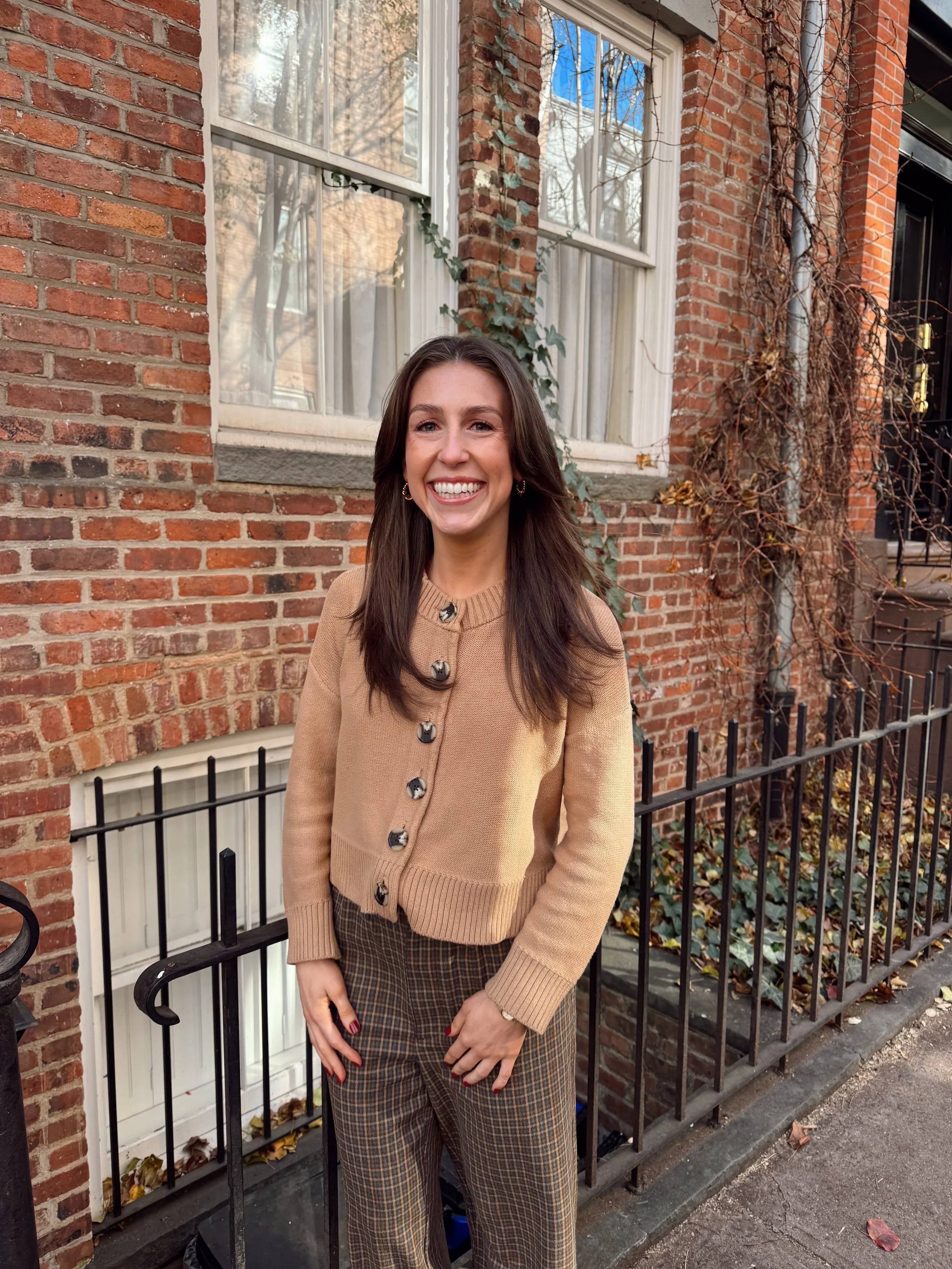
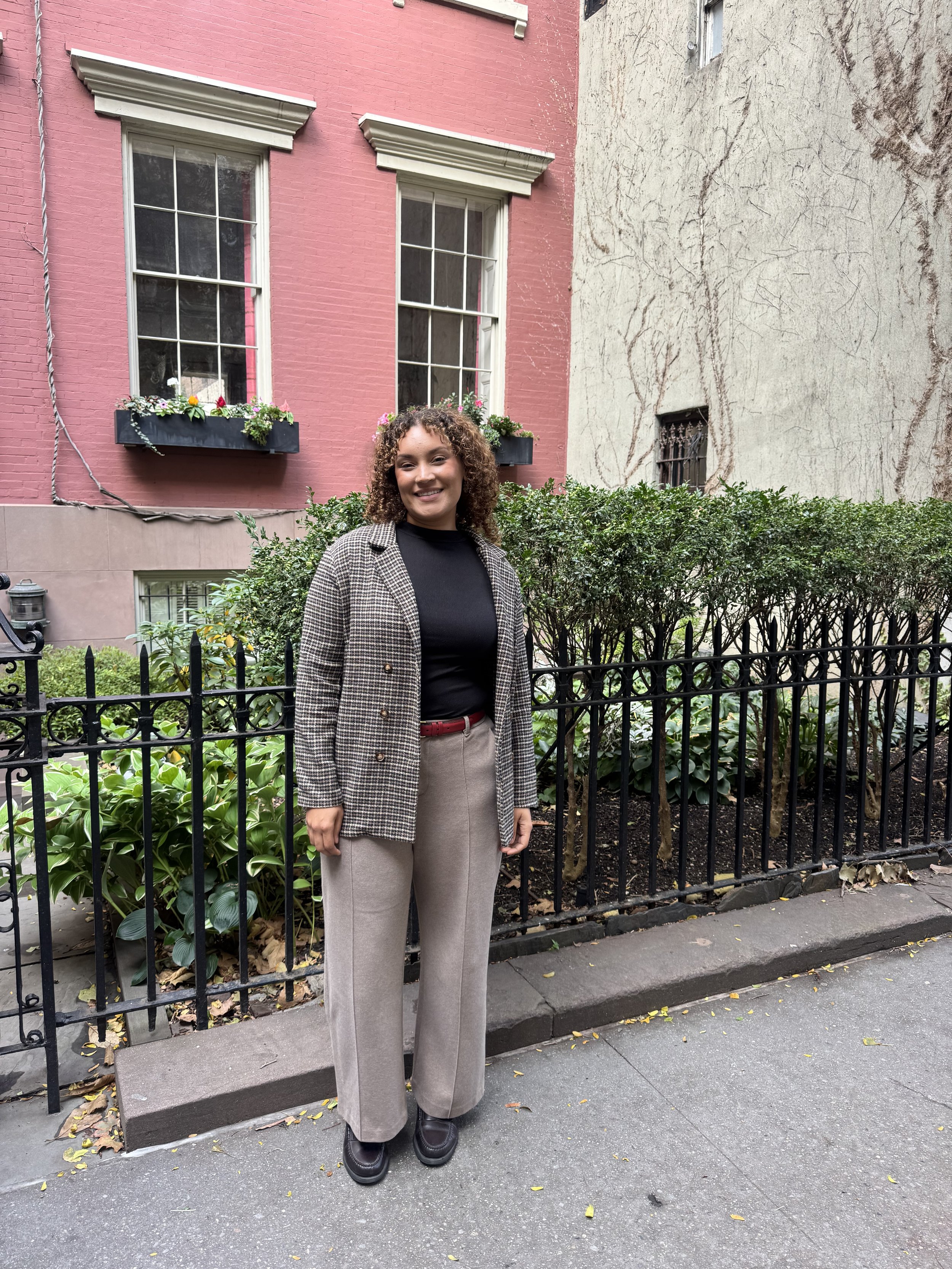
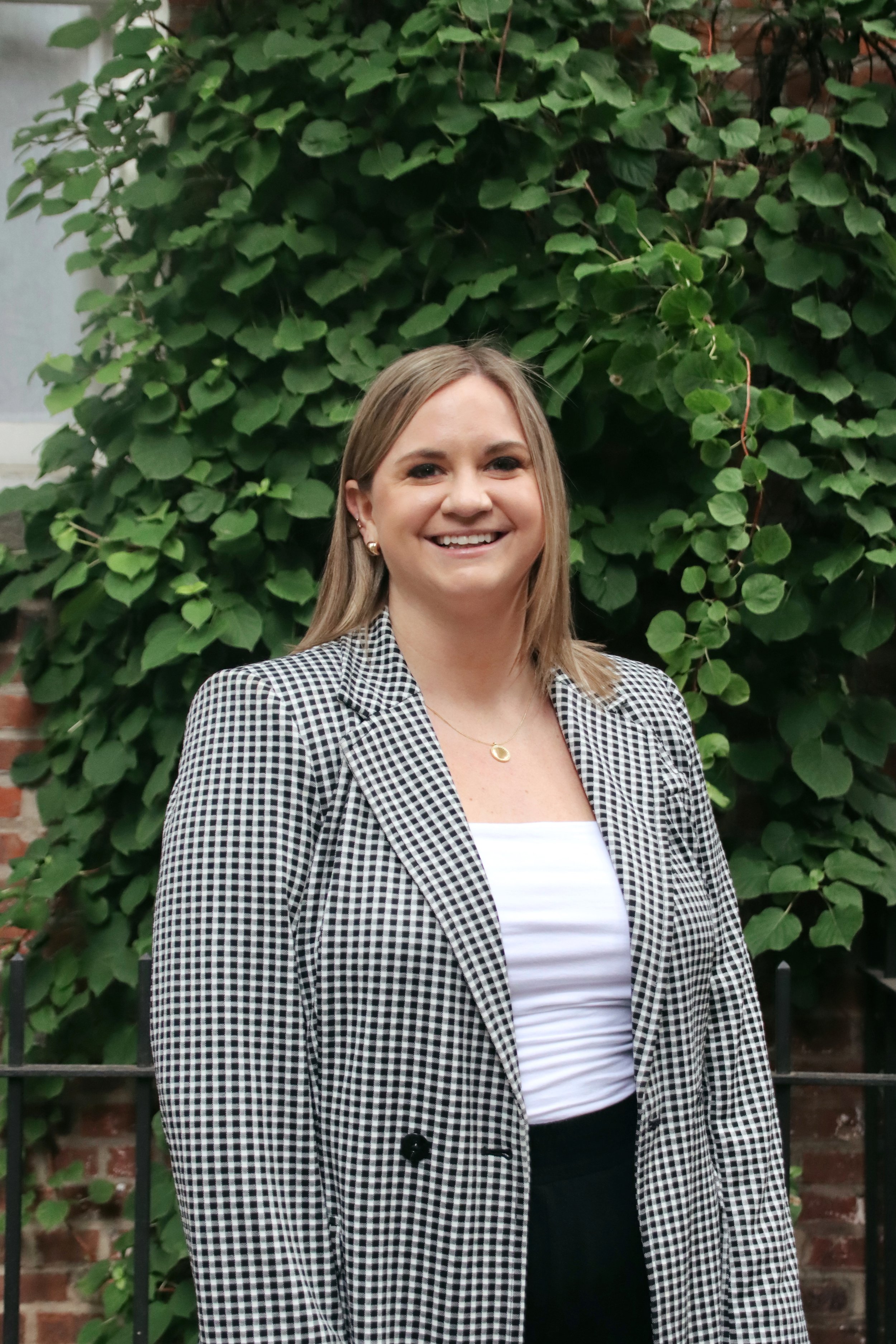
Meet Our Eating Disorder Therapists
-
![]()
Brooke Thomas, MHC-LP
-
![]()
Kiana Kohn, MHC-1
-
![]()
MJ Falcon Gimenez, MHC-LP
Supervised by Lauren Larkin, LMHC, NY #012386-01
-
![]()
Sophia Witheiler, MHC-1
-
![]()
Caroline Kirby, LMFT
CLINIAL SUPERVISOR
-
![]()
Sam Mauser, LMSW
CLINICAL DIRECTOR
-
![]()
Lauren Larkin, LMHC
FOUNDER
Lauren is not currently accepting new therapy clients.




-
Eating disorders can take many forms and don't always look the way people expect. While some people meet criteria for diagnoses such as binge eating disorder, bulimia nervosa, or anorexia nervosa, others may struggle with food, body image, restriction, binge eating, or compensatory behaviors without fitting neatly into a specific diagnosis.
If thoughts about food, weight, body image, or eating are negatively impacting your quality of life, therapy may be helpful.
-
No. Many clients begin therapy before receiving a formal diagnosis, and some never pursue one at all.
You don't need to wait until things feel "bad enough" to seek support. If you're struggling with food, body image, or eating-related behaviors, we can help you better understand what's going on and determine what level of support may be beneficial.
-
Yes. Binge eating is often about much more than food. Many people find themselves caught in cycles of binge eating, restriction, shame, and self-criticism that can feel difficult to break on their own.
Therapy can help you better understand the factors contributing to binge eating, develop alternative coping strategies, and build a more flexible and compassionate relationship with food.
Binge Eating Support →
-
Recovery looks different for everyone. Factors such as the type of eating disorder, the length of time you've been struggling, your support system, and any co-occurring concerns can all influence the recovery process.
Our goal isn't perfection. Instead, we focus on helping you make meaningful, sustainable changes that support your long-term wellbeing and create a life that feels bigger than your eating disorder.
-
Yes. We provide virtual eating disorder therapy for adults throughout New York State.
Virtual therapy allows many clients to access specialized eating disorder treatment from the comfort of their own homes while maintaining work, school, family, and other life responsibilities.
-
Loving yourself wholly is an ongoing journey, and self-compassion is a critical piece of the work. Loving your body in a society that profits off of self-doubt is challenging at best. We don’t believe you need to love your body to enter meaningful eating disorder recovery. However, we believe you can work to have a more peaceful and trusting relationship with your body. Part of that work is done through rejecting diet culture and unattainable societal beauty norms. Our eating disorder therapists are here to help you on that journey.
We are aware that body image work is easiest for those living in thin, white, cis-gendered, abled bodies. We are body inclusive therapists, which means we recognize that body image work is more challenging for people of size, people of color, disabled individuals, and trans and nonbinary folks. We will not sugar coat your real-life experiences through dismissive body positive rhetoric. We are equipped to help you explore your grief around your body narrative and help you find a more peaceful, liberated relationship with your body.
-
Yes. We frequently work with college students, graduate students, young professionals, and other adults navigating periods of transition, stress, and increased responsibility.
Many of our clients are balancing academic demands, careers, relationships, and personal growth while also struggling with food, body image, perfectionism, or an eating disorder.
-
Absolutely. You do not need to have a diagnosed eating disorder to benefit from support around body image.
Many people struggle with self-criticism, body dissatisfaction, appearance-related anxiety, or feeling disconnected from their bodies. Therapy can help you explore the beliefs and experiences that have shaped your body image while developing a more compassionate and sustainable relationship with yourself.
Frequently Asked Questions
We provide eating disorder therapy for clients throughout:
Manhattan
Brooklyn
Staten Island
Upper East Side
Upper West Side
Chelsea
Williamsburg
Long Island
Queens
Bronx
Midtown
Tribeca
and virtually throughout New York State.
You Don’t Have To Navigate This Alone
Recovery is possible.
Schedule a consultation and learn whether eating disorder therapy at LEL is the right next step.

Continue Learning About Eating Disorder Recovery
Recovery doesn't begin and end in therapy sessions. Explore our latest articles on eating disorders, body image, recovery, and building a healthier relationship with food.